Black Freight Truck
A Designer’s First Look: Clean, Confident, and Built for Real Work
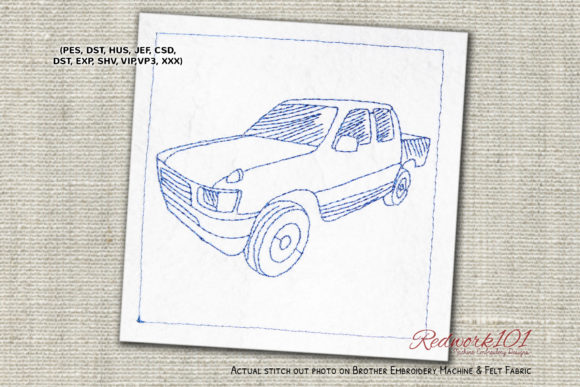
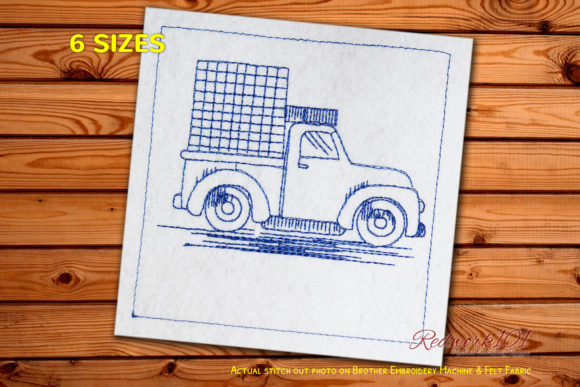
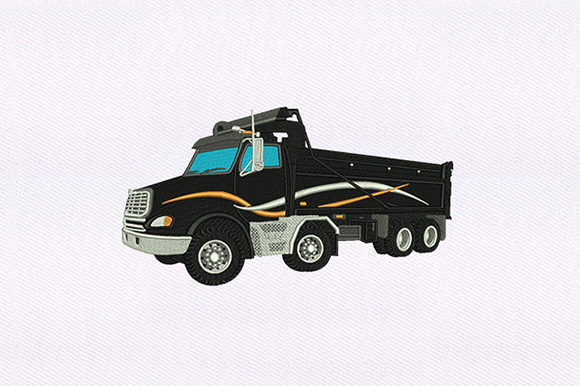
When Black Freight Truck popped up in my design library, I didn’t just see another Transportation-themed embroidery file—I saw a potential workhorse. It’s bold without being loud, detailed without feeling fussy, and carries that grounded, no-nonsense energy you want in a machine embroidery design meant for everyday use. The silhouette is instantly readable: strong cab lines, subtle grille texture, clean wheel detail, and just enough contour to suggest motion—even stitched in monochrome. No tiny flourishes, no fragile limbs or overly fine linework. That tells me this wasn’t sketched for screen previews alone. It was drafted with thread, fabric, and wear in mind.
Where It Shines: Real Projects, Not Just Previews
I tested Black Freight Truck on three real-world items: a heavyweight cotton tote bag (for a local coffee roaster’s merch line), a midweight French terry sweatshirt (custom order for a dad who drives trucks), and a set of linen tea towels (small shop product for a rustic kitchen boutique). On all three, it held up beautifully—no puckering, no thread breakage, no loss of definition in corners or curves. The stitch density feels balanced: dense enough to read clearly at 4–5 inches wide, but not so heavy that it stiffens lightweight fabrics or overwhelms baby embroidery on a onesie.
For Etsy sellers and craft fair vendors, this is the kind of embroidered patch or tote bag design that stops scrollers mid-feed. It reads as *intentional*, not generic. Customers don’t just see “a truck”—they sense craftsmanship, consistency, and quiet confidence in the finished product. That translates directly to perceived value, repeat orders, and word-of-mouth trust.
Fabrics & Surfaces: Know When to Lean In—or Step Back
Black Freight Truck plays well with structure. It anchors beautifully on denim jackets, canvas aprons, twill caps, and medium-weight pillow covers. Its clean edges and moderate fill areas make it forgiving on textured fabrics like terry cloth or bouclé—but only with proper stabilizer. I used tear-away + light cutaway on the sweatshirt and got crisp results; skip stabilizer on stretchy knits, and the satin stitch sections will distort.
That said, tread carefully on ultra-thin fabrics (like baby muslin or lightweight voile) unless you reduce size below 3 inches and add soft cutaway backing. Also avoid placing it near seams, curved brims, or deep armholes without testing hoop placement first—the wheel arches and cab roof have subtle contours that can shift slightly on uneven surfaces.
On dark fabric? Excellent contrast potential—especially if you pair black thread with metallic silver accents (check your PES or DST file for optional highlight layers). On light fabric, it’s clean and graphic. But don’t assume it works equally well on both without mockup testing: run a quick black-and-white printable mockup first to assess visual weight and spacing.
Small Hoops & Tight Spaces: Keep It Practical
This isn’t a micro-design—it’s built for impact. At full size (roughly 4.5" wide), it fits comfortably in a 5x7 hoop. If you’re stitching on a cap visor or a narrow baby bib, scale down thoughtfully. Shrinking past 2.75" starts to compress the wheel detail and soften the cab outline. You’ll lose recognition—not just clarity. For small hoop applications, consider using just the front cab section as a standalone motif, or pair it with simple running-stitch lettering (“Hauler”, “Rig Life”) instead of forcing the full design into tight quarters.
Commercial Use & Craft Business Reality Checks
As a designer who licenses embroidery file collections and supplies digital embroidery assets to small shops, I always ask: *Does this support my brand—or dilute it?* Black Freight Truck strengthens brand consistency when used intentionally. It fits seamlessly into a transport-themed collection (think delivery van, vintage camper, cargo bike), but it doesn’t scream “clip art.” That matters for boutique branding and handmade presentation.
If you’re an Etsy seller listing personalized gifts, this design pairs naturally with thoughtful copy: “For the driver who moves more than freight,” or “Stitched with respect for the road.” That emotional resonance lifts it beyond decoration into meaningful custom apparel.
Before selling finished items or bundling Black Freight Truck into your own digital embroidery file pack, confirm licensing terms. The file formats listed—PES, DST, JEF, VP3, HUS, and others—are standard, but commercial rights aren’t implied by format alone. Always verify.
Designer Notes You’ll Actually Use
- Test first—on scrap fabric matching your final project’s weight and stretch.
- Check thread color contrast before stitching on dark or heathered fabric.
- Review stitch density in your embroidery software—look for any overfilled zones that could cause stiffness or thread nesting.
- Confirm hoop size matches your machine’s capability and your project’s physical constraints.
- Inspect small details at 200% zoom: wheel spokes, grille lines, and cab windows should be legible, not merged.
- Try black-and-white mockups to assess balance and hierarchy before committing to thread colors.
- Use appropriate stabilizer: cutaway for knits, tear-away for stable wovens, and soft fusible for delicate items like baby embroidery.
- Verify dual-use suitability: does your license allow both personal projects *and* commercial embroidery? Don’t assume.
The Bottom Line: A Reliable Anchor in Your Design Toolkit
Black Freight Truck won’t wow with glitter or animation—but it delivers something rarer in embroidery design: reliability with character. It stitches cleanly, scales predictably, and reads with warmth and authenticity whether on a holiday gift sweater or a small shop’s signature tote. It’s the kind of machine embroidery design that makes customers pause, smile, and say, “I know someone who’d love that.” And for craft business owners, Etsy sellers, and creative entrepreneurs building real products—not just pixels—that’s the highest compliment of all.