Horned Skull Mask: Bold, Festive & Booth-Ready
First Impression: A Halloween Statement That Commands Attention
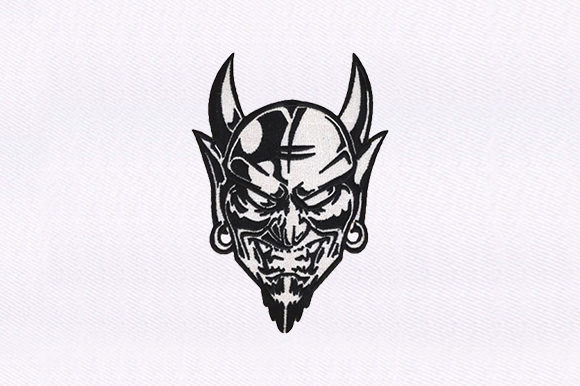
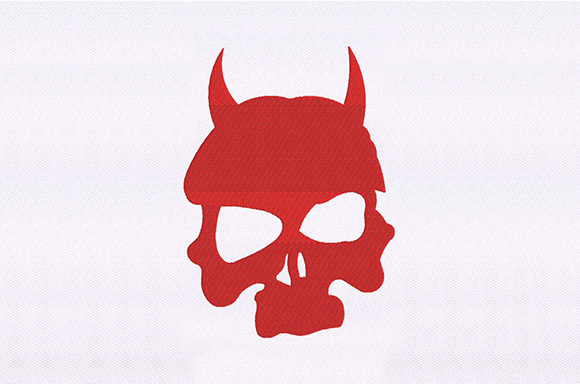
As an embroidery designer who’s prepped over 200 craft fair booths—and watched which designs stop foot traffic dead in their tracks—I’ll say it plainly: Horned Skull Mask lands with confident, festive energy. It’s not cute or whimsical. It’s not minimalist or rustic. It’s bold, modern, and unapologetically Halloween—yet avoids cartoonish cliché. The title alone signals theatricality and craftsmanship, and that translates directly to perceived value on a handmade product. At a busy market, where shoppers scroll past dozens of embroidered items in under ten seconds, this design doesn’t whisper—it leans in.
Where Horned Skull Mask Shines on Craft Fair Products
This machine embroidery design thrives where contrast, texture, and personality intersect. Here’s how it performs across your most reliable small shop products:
- Tote bag design: Perfect as a centered chest or lower-back focal point on black, charcoal, or deep burgundy canvas. The horns anchor the composition; the skull reads cleanly even from six feet away.
- Apron embroidery: Ideal for the bib area—large enough to read while someone’s cooking, but balanced enough not to overwhelm the wearer’s silhouette. Works especially well on denim or medium-weight cotton twill.
- Tea towel embroidery: Best placed in the lower third (not corner), where the horns can extend toward the hem. Avoid overly textured terry cloth—opt for smooth, tightly woven flour sack or linen-blend towels for crisp detail.
- Embroidered patch: A standout for pin collectors, festival wear, or jacket customization. The clean outer shape and strong negative space make it easy to cut and fuse.
- Caps and fabric pouches: Use scaled-down versions only if the file includes optimized small-size variants. On curved surfaces like caps, test stitch density first—tight horn tips may pull or tunnel without proper stabilizer.
- Pillow covers and market bags: Where Horned Skull Mask truly elevates perceived quality. A single, well-executed placement says “handmade with intention,” not “mass-produced Halloween decor.”
What Makes Horned Skull Mask Sell—Beyond the Spooky Factor
It’s more than seasonal appeal. This embroidery file delivers three real-world selling advantages:
- Instant visual hierarchy: Customers recognize it as *designed*, not clip-art. That builds trust in your brand—even before they read your booth sign.
- Strong booth display strength: When grouped with neutral-toned products (cream aprons, oatmeal tea towels), Horned Skull Mask becomes a visual anchor—drawing eyes and creating natural conversation starters.
- Etsy seller advantage: Its distinctiveness helps listings stand out in search results for “Halloween embroidery,” “skull patch,” or “gothic tote bag.” Paired with a clean printable mockup, it converts faster than generic pumpkins or bats.
Careful-Use Notes: Protect Your Stitch Quality & Customer Trust
Don’t let enthusiasm override practicality. Horned Skull Mask demands attention to detail—especially at craft fair scale, where you’re stitching dozens of units fast:
- Avoid dense stitch areas on thick or napped fabrics (like heavy fleece or corduroy) unless you’ve tested stabilizer layers—excess density can cause puckering or thread breakage.
- Tiny details—especially horn tips and eye socket contours—lose clarity below 3.5 inches wide. If offering small pouches or kids’ caps, confirm the embroidery file includes a verified small-scale version.
- On dark fabric, use high-contrast thread colors (e.g., bright white or metallic silver) to preserve definition. Test thread contrast on scrap first—some “white” threads dull on black cotton.
- Curved cap surfaces require precise hooping and possibly a tear-away + cut-away hybrid stabilizer. Don’t assume the default hoop size fits all head shapes—verify hoop size compatibility before batch production.
Real Designer Workflow Tips You’ll Actually Use
I don’t just open files—I interrogate them. Before cutting into fabric for your craft fair run, do this:
- Test the design on scrap fabric that matches your final product—same weight, same weave, same dye lot if possible.
- Review spacing and stitch density in your embroidery software. Look for overlapping satin columns or under-digitized fill areas that could cause thread nesting.
- Use the right stabilizer: medium-weight cut-away for stable fabrics (totes, pillow covers); tear-away + light cut-away combo for knits or lightweight cottons (tea towels, aprons).
- Create at least one real mockup—not just digital. Photograph it in natural light, next to your other bestsellers. Does Horned Skull Mask hold its own?
- Compare fabric colors side-by-side. A charcoal gray tote may mute the horns versus a true black—subtle, but it affects perceived premiumness.
- Confirm commercial licensing before selling finished products. Since this is a machine embroidery design sold as a digital embroidery file, ensure your license permits resale of physical goods—not just personal use.
Final Thought: This Is More Than a Halloween Embroidery File
Horned Skull Mask isn’t just for October. Its strong silhouette, confident line work, and scalable drama make it a versatile design asset—ideal for goth, alternative, or artisanal lifestyle brands year-round. For Etsy sellers and boutique makers, it’s a chance to differentiate in a crowded handmade market. For craft fair sellers, it’s a proven conversation starter, photo magnet, and repeat-purchase trigger (customers come back for matching patches, totes, and aprons). Just remember: great design deserves thoughtful execution. Respect the stitch density, honor the fabric, test early, and let Horned Skull Mask do what it does best—stand out, sell through, and leave a lasting impression.