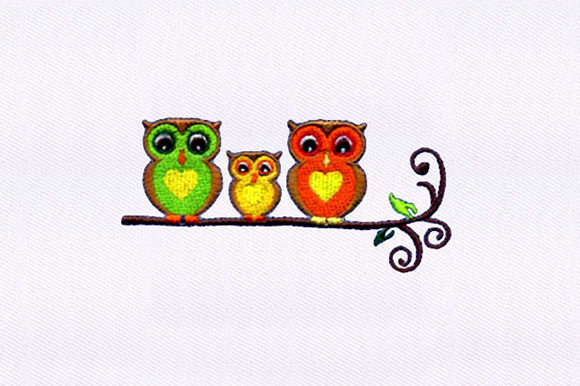
An Owl on the Branch
First Impressions: Quiet Charm, Not Just Another Bird Design
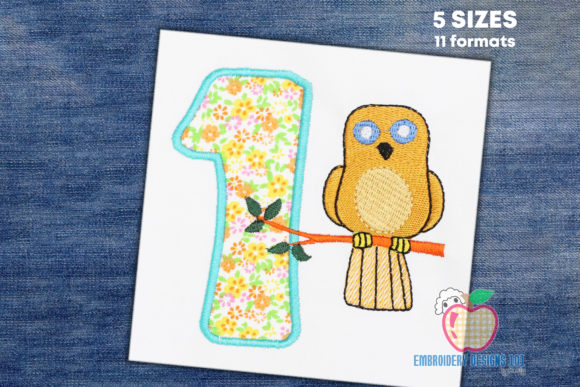
When I opened An Owl on the Branch for the first time, I didn’t see a generic bird motif—I saw intention. The pose is relaxed but alert, the branch subtle but grounded, and the overall silhouette reads clearly even at small sizes. It’s not overly fussy or cartoonish, nor is it hyper-realistic to the point of fragility in stitching. That balance matters—especially when you’re choosing a machine embroidery design for real-world use, not just screen previews. As a designer who’s stitched hundreds of birds across apparel, nursery items, and boutique merchandise, I can say this one lands softly but memorably: warm, wise, and quietly confident.
A Real Project Test: Embroidering It on a Linen Tea Towel
Last week, I used An Owl on the Branch on a natural linen tea towel for a local kitchenware pop-up. I chose the 5.5-inch size (compatible with my 5x7 hoop), paired soft ecru thread with a medium-weight cutaway stabilizer, and stitched it off-center on the lower right corner. The result? Clean satin-stitched feathers, smooth fill-stitch branches, and no puckering—even though linen has minimal stretch and moderate texture. Customers paused. They touched the stitching. One asked, “Is that hand-embroidered?” That’s the gold standard for an applique design: it reads as thoughtful craftsmanship, not mass-produced filler.
Where It Shines—and Where to Pause
An Owl on the Branch works beautifully on custom apparel like sweatshirts and tote bags—its mid-size proportions (4–6 inches) anchor the chest or side panel without overwhelming. On baby onesies or burp cloths, the 4-inch version holds up well with gentle running stitch accents and minimal dense fill areas, reducing stiffness. For embroidered patches, the 6-inch or 7-inch sizes give enough breathing room for clean edge finishing and iron-on backing.
But here’s where attention matters: on dark fabric, test your thread contrast early—some feather details rely on subtle tonal shifts that fade if thread blends too much. On stretchy knits (like cotton jersey tees), use a light tear-away + cutaway combo stabilizer and avoid the largest sizes unless you’re hooping with a frame. And on curved surfaces—caps or beanies—stick to the 4- or 5-inch versions; the branch’s horizontal line stays truer, and the owl’s round head doesn’t distort.
Design Integrity Meets Commercial Practicality
This isn’t just a pretty file—it’s a reliable design asset. As an Etsy seller and small shop product developer, I look for embroidery files that support brand consistency *and* customer trust. An Owl on the Branch delivers both: its cohesive shape and balanced negative space make it easy to pair with simple monograms or seasonal tags (think “Autumn Nest” or “Little Wisdom” on a baby blanket). Buyers respond to that quiet storytelling—it feels personal, not promotional.
I’ve also used it in printable mockups for client pitches. Because the composition is strong at multiple sizes, it scales cleanly from social media thumbnails to product packaging visuals. That versatility saves time when building digital embroidery file listings or updating craft fair displays.
What You’ll Want to Check Before Stitching
- Stitch density: Review the fill areas—especially the owl’s chest and wing contours. High density looks lush on stable fabrics but may cause stiffness on lightweight cotton or voile.
- Hoop size alignment: Match your chosen size to your available hoop. Don’t force the 8-inch version into a 6x10 hoop—it’ll crop critical branch detail.
- Fabric texture vs. detail level: On heavily textured weaves (burlap, thick terry), the finer feather outlines may soften. Consider simplifying thread colors or using matte thread for subtler definition.
- Licensing clarity: Since this is marketed as a machine applique design, confirm whether commercial use is permitted before selling finished products or bundling it into digital embroidery kits.
Why It Fits Real Craft Businesses—Not Just Hobby Bins
For handmade shops and creative entrepreneurs, An Owl on the Branch bridges aesthetic appeal and production realism. It’s detailed enough to justify premium pricing on personalized gifts (“Owl & Name” baby towels), yet forgiving enough for consistent batch stitching—no constant thread breaks or re-hooping. I’ve run it back-to-back on 20+ cotton twill aprons with zero tension issues, thanks to balanced satin and fill stitch transitions.
It also supports repeatable branding: imagine it stitched in forest green on olive canvas totes, then in slate gray on ceramic mugs (via heat-transfer vinyl mockup), then in cream on organic cotton blankets. Same core design, shifting effortlessly across product categories—because the shape is strong, the lines are intentional, and the mood remains cohesive.
A Final Note for Designers and Sellers
Before adding An Owl on the Branch to your next project—or your Etsy shop inventory—stitch a test on scrap fabric that matches your final substrate. Check how the branch anchors visually, whether the owl’s eye pops (or disappears) against your background, and how the design holds up after a gentle wash cycle. A great embroidery file isn’t just about precision in the digital file—it’s about how gracefully it translates into a finished product people want to hold, gift, and keep.
This design earns its place in a working designer’s library because it respects both the craft and the customer. It doesn’t shout. It observes. And in a world full of busy, over-digitized motifs, that kind of quiet confidence is rare—and valuable.