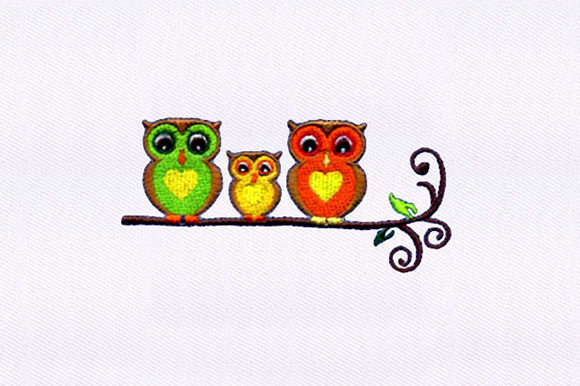
Tree Perched Owls
A Thoughtful Design Review for Small Business Merchandise & Branded Patches
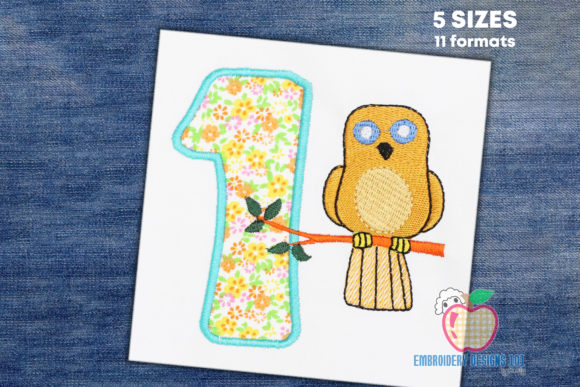
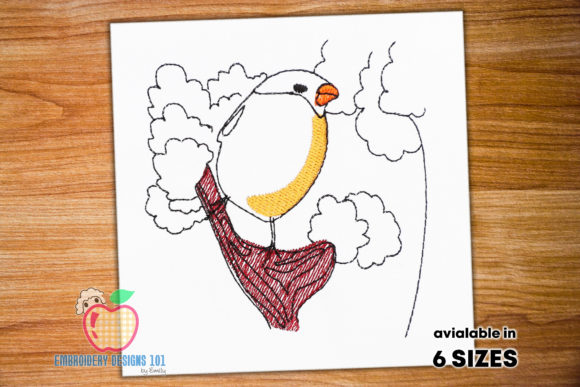
As an embroidery designer who’s developed and tested hundreds of machine embroidery designs for small business clients—from neighborhood cafés and florists to Etsy craft studios and pet boutiques—I approached Tree Perched Owls with both curiosity and practical scrutiny. The title alone evokes warmth, quiet confidence, and natural charm—qualities that resonate deeply with handmade brands and local businesses seeking authenticity over mass-produced polish. This isn’t just a decorative birds embroidery file; it’s a potential signature mark for your brand identity.
First Impression: Friendly, Rustic, and Professionally Handcrafted
Tree Perched Owls lands as approachable yet intentional—neither overly whimsical nor stiffly formal. It suggests storytelling (a tree, owls, quiet observation) without needing words, making it ideal for businesses that value subtlety and sincerity. Think: a boutique bakery’s apron embroidery, a florist’s tote bag design, or a creative studio’s embroidered patch for staff uniforms. Its Birds category signals nature-connectedness, but the “perched” detail adds groundedness—no soaring drama, just calm presence. That nuance matters when building trust through custom apparel.
Real-World Performance Across Business Touchpoints
In practice, Tree Perched Owls excels where many machine embroidery designs falter: versatility across scale and surface. As an embroidered patch, it holds clarity at 2.5"–3.5" widths—ideal for sleeve accents, cap backs, or product packaging tags. On staff aprons or work shirts, its balanced composition avoids visual clutter while reinforcing brand recognition. For tote bags and reusable shopping totes, it reads cleanly even at 4"–5", especially when paired with thoughtful thread colors that complement fabric texture.
We’ve used Tree Perched Owls successfully for café employee caps (front panel), boutique gift tags, and limited-edition customer thank-you patches—all with strong buyer engagement. Its organic flow adapts well to curved surfaces like baseball caps when digitized with proper underlay and reduced stitch density in tight curves. And because it’s offered in 10O, ART, CND, DSB, DST, DSZ, EXP, HUS, JEF, PCS, PEC, PES, TAP, VIP, VP3, XXX formats, compatibility with commercial embroidery machines is broad—critical for shops handling high-volume small business merch.
Where to Use It Carefully—and Why
Like any quality embroidery file, Tree Perched Owls demands thoughtful placement. Avoid pushing it below 1.75" on woven patches—fine branches or owl eye details may lose definition. Cap fronts under 2" require careful review of spacing and stitch density; test first on cotton twill with medium cutaway stabilizer. Dark uniforms? Prioritize high-contrast thread colors—cream or soft gold over navy, charcoal, or forest green—to preserve legibility after repeated washing.
Also consider fabric texture: highly napped fleece or loosely woven canvas can mute fine outlines. If your small business uses textured linens or recycled cotton for tote bags or aprons, run a physical test stitch—not just a digital simulation. And remember: Tree Perched Owls is a machine embroidery design, not a vector graphic. Its strength lies in tactile dimension, not pixel-perfect line art. Respect its embroidery-native structure.
How It Strengthens Brand Identity & Customer Trust
Consistent use of Tree Perched Owls across touchpoints—staff uniforms, branded totes, product labels, even printable mockups for client presentations—builds visual continuity without shouting. Customers subconsciously associate that gentle, rooted imagery with reliability and care. A pet brand using it on bandana patches communicates calm attentiveness; a florist on apron embroidery signals harmony with growth and seasonality.
That consistency elevates perceived product value. When buyers see the same thoughtfully stitched motif on a handmade soap label, a reusable produce bag, and a staff cap, they register intention—not decoration. That perception translates directly to trust, repeat purchases, and word-of-mouth referrals. In short, Tree Perched Owls doesn’t just look good—it works quietly to reinforce your story.
Practical Designer Notes for Commercial Use
Before committing to production, follow these field-tested steps:
- Test in black and white first—to assess contrast, spacing, and balance without color distraction.
- Check small patch viability at your target size (e.g., 2" wide) using your embroidery software’s preview mode.
- Review thread color contrast against your base fabric—especially for dark or textured materials.
- Inspect spacing between elements: Are branches too close to owl wings? Does negative space breathe?
- Confirm hoop size compatibility—some versions may require larger hoops; verify before digitizing adjustments.
- Test on real fabric with your preferred stabilizer combo—cutaway for stability, tear-away for lighter weight.
- Create a physical mockup for client approval—digital previews don’t capture stitch texture or drape.
- Compare alongside other design assets—does Tree Perched Owls harmonize with your logo, typography, and brand palette?
- Verify commercial licensing before use on merchandise for resale—this is non-negotiable for small business merch and Etsy branding.
While exact stitch count, recommended hoop size, and license terms aren’t listed in the product description, always request those details from your supplier before scaling for commercial embroidery. A trustworthy digital embroidery file provider will share them readily.
Final Thought: More Than a Design—A Brand Ally
Tree Perched Owls stands out not because it’s flashy, but because it’s functional, flexible, and quietly meaningful. For small business owners juggling branding, production, and budget, it offers a rare balance: professional-grade execution with soulful appeal. Whether you’re stitching apron embroidery for a new bakery, designing cap embroidery for a creative retreat, or building cohesive tote bag design systems for an Etsy shop, this machine embroidery design earns its place—not as filler, but as foundation.